Find the BEST weed in...
Search
Search this site
10461 results found with an empty search
- North Carolina's Next House Speaker Says Decriminalization Is Top of Mind | Toker's Guide
After Democrats won at least the state House in the midterms, incoming Speaker Robert Reives says decriminalizing marijuana is on lawmakers' minds. < Back North Carolina's Next House Speaker Says Decriminalization Is Top of Mind Nov 10, 2026 Source: Tom Angell Marijuana Moment Article Link Facebook X (Twitter) WhatsApp LinkedIn Pinterest Copy link North Carolina could be headed for meaningful changes to its marijuana laws, according to the lawmaker who is about to lead the state House. Following last week's midterm elections, in which Democrats won control of at least the House of Representatives, Speaker-elect Robert Reives said on Tuesday that decriminalization has been on top of everybody's minds. That's a strong signal coming from the person who will soon control which bills get attention and which ones languish. Control of the chamber matters a great deal in a state where cannabis reform has been slow to advance, and the incoming speaker's comments suggest the topic won't be treated as an afterthought when lawmakers return. The remarks came shortly after the election, so details are still thin. It isn't clear yet what a decriminalization proposal would look like, how far it would go, or how it would fare in the Senate and with the governor. Decriminalization generally means removing or reducing criminal penalties for possession, typically replacing arrests with civil fines or lesser consequences, and it is different from full legalization with licensed retail sales. Still, it would be a significant step for a state that has not moved far on the issue. For North Carolinians, the practical stakes are high. Reducing penalties could mean fewer people saddled with criminal records for small amounts of cannabis, and it could shift how police and courts spend their time. Because the political balance in the legislature will shape what's possible, the coming months will be telling. Advocates will likely be pushing hard to turn the speaker-elect's comments into actual legislation, while opponents will make their case as well. For now, the headline is that the person set to lead the House is openly saying that reform is a live topic, and in state politics that kind of acknowledgment often comes before real action. < Previous Next > Recent Reviews Danksgiving 2026: The State of the DC & Maryland Flower Markets We scanned every DC and Maryland dispensary menu daily for three weeks. What's rising, what sold through before the sales, and why the same eighth runs $20 at one store and $60 at another... Velcroz by RYTHM - Greenlabs (Baltimore, Maryland) Velcroz by RYTHM grips like the name says - sticky resin, cool pine-mint gas, and a balanced high that hooks in fast. Permanent Marker by Alt Sol - Just Chill (Washington DC) Alt Sol's cut of Seed Junky's famous Permanent Marker brings the sharp floral-candy funk to DC at 23.4%. Found at Just Chill. 1 2 3 4 5
- Nebraska Moves Medical Cannabis Rules Forward Despite Cultivator Pushback | Toker's Guide
Nebraska's Medical Cannabis Commission sent proposed rule amendments to the attorney general unchanged, though all four licensed cultivators wanted testing and < Back Nebraska Moves Medical Cannabis Rules Forward Despite Cultivator Pushback Nov 16, 2026 Source: Marijuana Moment Marijuana Moment Article Link Facebook X (Twitter) WhatsApp LinkedIn Pinterest Copy link Nebraska's medical cannabis program took another procedural step forward, though not without some friction. Proposed amendments to the state's regulations for medical cannabis establishments will go as written to Attorney General Mike Hilgers for legal review, even though all four of Nebraska's licensed cultivators asked for changes. The Nebraska Medical Cannabis Commission voted to advance the package without altering the sections the growers had flagged. Those concerns centered on two practical issues: how available testing will be and what fees businesses will be charged. Testing matters in any regulated cannabis system because product has to be checked for safety and potency before it reaches patients, and cultivators are generally unable to move product until labs are up and running. If testing capacity is limited, growers can face bottlenecks that delay harvests from reaching shelves. Fees are the other pressure point, since new license holders are already investing heavily in facilities, equipment, and staff before they can earn revenue from patients. With only four licensed cultivators in the state, their feedback carries weight, and the commission's decision to proceed without adjusting those provisions signals that regulators are prioritizing keeping the process moving. The attorney general's review is a required checkpoint, and it will test whether the rules hold up legally. Nebraska voters approved medical cannabis, and the state has been working through the details of building a program from scratch, including licensing, oversight, and patient access. How the rules on testing and fees ultimately play out could affect how quickly products become available and how smoothly the market gets started. Patients and businesses will be watching to see whether the review leads to any further revisions down the road. < Previous Next > Recent Reviews Danksgiving 2026: The State of the DC & Maryland Flower Markets We scanned every DC and Maryland dispensary menu daily for three weeks. What's rising, what sold through before the sales, and why the same eighth runs $20 at one store and $60 at another... Velcroz by RYTHM - Greenlabs (Baltimore, Maryland) Velcroz by RYTHM grips like the name says - sticky resin, cool pine-mint gas, and a balanced high that hooks in fast. Permanent Marker by Alt Sol - Just Chill (Washington DC) Alt Sol's cut of Seed Junky's famous Permanent Marker brings the sharp floral-candy funk to DC at 23.4%. Found at Just Chill. 1 2 3 4 5
- German Cannabis Market Establishes Foundation for Global Industry Expansion (Op-Ed) | Toker's Guide
Legal cannabis in Germany being more affordable than the illegal market is revolutionary for the global cannabis industry. < Back German Cannabis Market Establishes Foundation for Global Industry Expansion (Op-Ed) May 19, 2025 Source: Cannabis Business Times Article Link Facebook X (Twitter) WhatsApp LinkedIn Pinterest Copy link The fact that legal cannabis in Germany is more affordable than the illegal market is revolutionary for the global cannabis industry to date. < Previous Next > Recent Reviews Danksgiving 2026: The State of the DC & Maryland Flower Markets We scanned every DC and Maryland dispensary menu daily for three weeks. What's rising, what sold through before the sales, and why the same eighth runs $20 at one store and $60 at another... Velcroz by RYTHM - Greenlabs (Baltimore, Maryland) Velcroz by RYTHM grips like the name says - sticky resin, cool pine-mint gas, and a balanced high that hooks in fast. Permanent Marker by Alt Sol - Just Chill (Washington DC) Alt Sol's cut of Seed Junky's famous Permanent Marker brings the sharp floral-candy funk to DC at 23.4%. Found at Just Chill. 1 2 3 4 5
- GOP Senator and Ex-DEA Official Claim State Legalization Helps Foreign Cartels | Toker's Guide
A GOP senator and a former DEA official argued that state marijuana legalization laws are enabling foreign cartels, particularly Chinese and Mexican organizations, to exploit the system, masking illicit drug trafficking and money laundering that fuels a massive black market. They claimed these criminal groups are commodity agnostic, also moving fentanyl and methamphetamine money, and that the Department of Justice needs to make targeting them a strategic priority to protect public safety. < Back GOP Senator and Ex-DEA Official Claim State Legalization Helps Foreign Cartels Dec 11, 2025 Source: Kyle Jaeger Marijuana Moment Article Link Facebook X (Twitter) WhatsApp LinkedIn Pinterest Copy link A Senate hearing recently put a spotlight on the friction between state cannabis laws and federal enforcement. Senator John Cornyn and a former DEA official suggested that legal state markets are being used as a front by international cartels to hide massive illicit operations. They argued that these groups use the "guise of legitimacy" in states like Maine and Oklahoma to move not just black-market weed, but also harder substances and laundered cash. There is now a push for the DOJ to make targeting these organizations a top strategic priority. This matters to everyday enthusiasts because it highlights the messy reality of living in a country with a legal patchwork. While it’s frustrating to see cannabis lumped in with dangerous cartels, the move toward tighter regulation and federal oversight could actually help protect the legitimacy of the legal shops we love. For the community, cleaning up these bad actors is a necessary step toward ensuring that the legal industry remains safe, transparent, and accessible for everyone. < Previous Next > Recent Reviews Danksgiving 2026: The State of the DC & Maryland Flower Markets We scanned every DC and Maryland dispensary menu daily for three weeks. What's rising, what sold through before the sales, and why the same eighth runs $20 at one store and $60 at another... Velcroz by RYTHM - Greenlabs (Baltimore, Maryland) Velcroz by RYTHM grips like the name says - sticky resin, cool pine-mint gas, and a balanced high that hooks in fast. Permanent Marker by Alt Sol - Just Chill (Washington DC) Alt Sol's cut of Seed Junky's famous Permanent Marker brings the sharp floral-candy funk to DC at 23.4%. Found at Just Chill. 1 2 3 4 5
- Very Berry Haze Strain — Effects, THC %, Lineage & Reviews | Toker's Guide
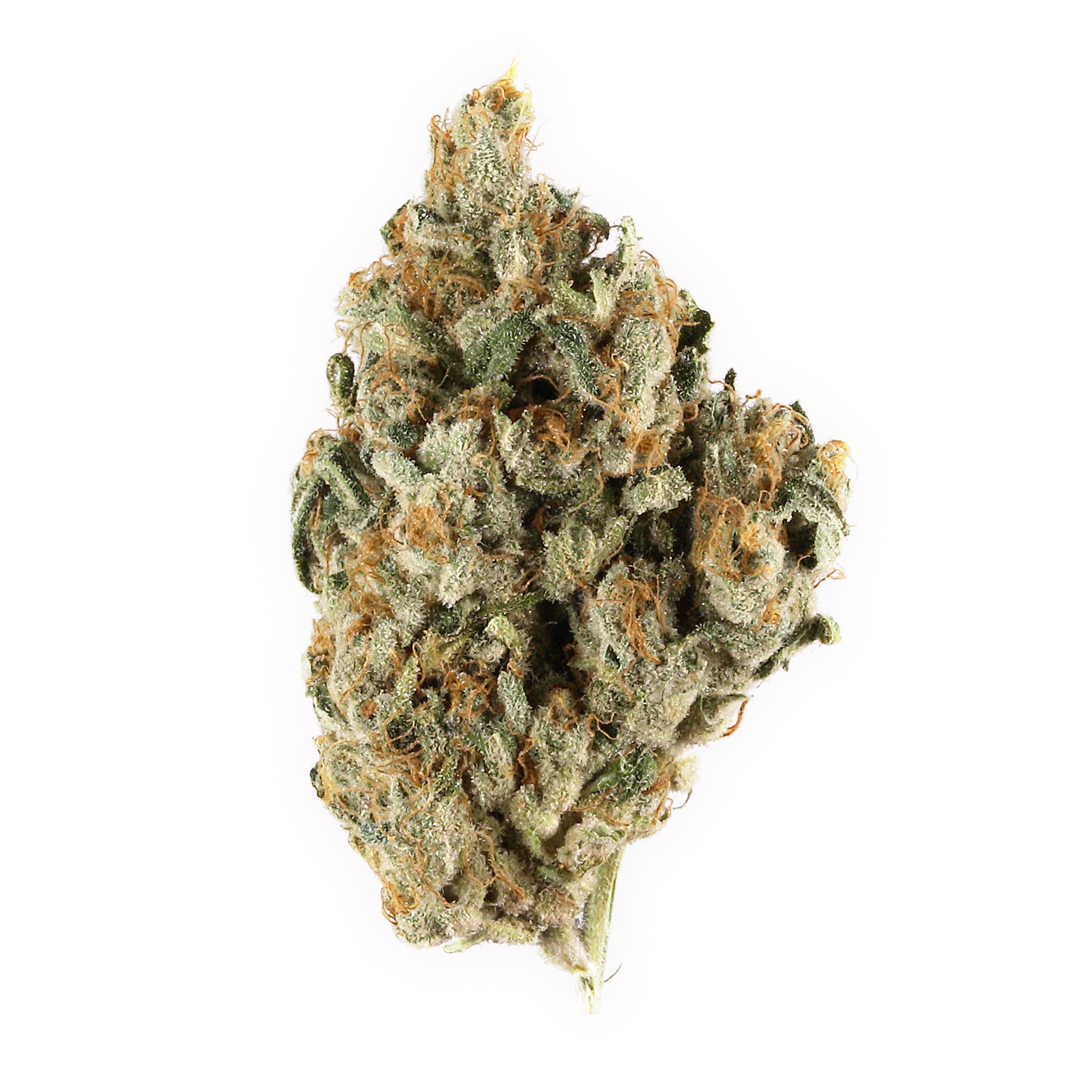
Everything about Very Berry Haze: effects, typical THC, lineage, and terpenes — plus hands-on product reviews and bud photos from Toker's Guide's DMV experts. < Back Very Berry Haze Strain Review Type Sativa THC % 21% Dominant Terpene Energy Myrcene Happy, Uplifted Overview Very Berry Haze is a 100% pure sativa hybrid that offers a vibrant and refreshing cannabis experience. Bred by Apothecary Genetics, it is highly regarded for its ability to enhance mood and productivity, making it a staple for daytime use among artists and professionals seeking mental clarity and a creative boost. Effects Very Berry Haze is a 100% pure sativa hybrid that delivers an immediate cerebral head rush, characterized by high energy levels and an uplifting, focusing experience. This strain is particularly effective for managing ailments such as stress, depression, and fatigue, while also providing significant pain relief without causing "couch-lock." Its terpene profile is dominated by myrcene, which provides a balanced physical relaxation alongside an earthy base; pinene, which supports mental alertness and focus; caryophyllene, which offers anti-inflammatory benefits; and limonene, which enhances its mood-elevating effects. The resulting high often makes users feel happy, talkative, and giddy, making it an ideal choice for creative professionals and social daytime activities. Positive Effects Side Effects Common Uses Relaxed 38% Happy 64% Euphoric 0% Uplifted 53% Talkative 0% Creative 0% Energetic 46% Focused 53% Giggly 0% Tingly 0% Hungry 0% Sleepy 0% stress, pain, depression, anxiety, headache, nausea Dry Mouth 30% Dry Eyes 7% Dizzy 5% Paranoid 0% Anxious 7% Hungry 0% Tingly 0% Sleepy 0% Appearance The buds of Very Berry Haze are typically medium-sized, spade-shaped, and exhibit a dark olive green color. They are characterized by a longer, fluffier sativa structure rather than dense indica buds. These "popcorn ball" nugs are decorated with very fine orange hairs and coated in a thick, sticky blanket of white crystal trichomes. Aroma True to its name, this strain produces an unmistakable and pungent scent of sweet, fresh berries. The fragrance is dominated by notes of strawberry and blueberry, accented by a subtle spicy and earthy Haze undertone that becomes more pronounced once the container is opened. Flavor On the inhale, users experience a burst of delicious dessert-fruit flavors, specifically sweet strawberry and tart berries. The exhale is grounded by a smooth, earthy, and slightly musky aftertaste, creating a well-rounded and savory flavor profile that lingers on the palate. Lineage Very Berry Haze is a potent cross between the world-renowned Strawberry Cough and Super Silver Haze. This pedigree combines the fruity sweetness of the former with the legendary cerebral power and energy of the latter, resulting in a pure sativa spirit. Terpene Profile - Myrcene: The most abundant terpene, contributing to the strain's earthy base and providing a balanced physical relaxation. - Pinene: Adds a sharp, herbal note and supports the strain's reputation for focus and alertness. - Caryophyllene: Offers subtle spicy undertones and potential anti-inflammatory benefits. - Limonene: Enhances the citrus notes and contributes to the overall mood-elevating effects.Effects The high hits almost immediately with a cerebral head rush that is both uplifting and focusing. Users report feeling happy, talkative, and energized, often accompanied by a sense of giddiness. While it provides significant pain relief, it does not cause "couch-lock," though some may find its energetic nature slightly distracting or "spacey" in higher doses. It is effectively used to manage stress, depression, and fatigue. Cultivation Preferences - Flowering Time: Approximately 8 to 10 weeks. - Yield: High, especially when grown outdoors where plants can yield over two pounds. Indoors, it produces roughly 700-800 g/m2. - Climate: It thrives in warm, sunny environments and benefits from regular pruning to ensure light reaches the lower buds. It is known to be resilient against pests, mold, and mildew.Origin Developed by Apothecary Genetics, this strain reflects modern breeding techniques aimed at maximizing sativa vigor and fruit-forward terpene profiles. It was conceived in the early 2010s to offer a distinct aromatic alternative to traditional Haze varieties. Seed Suppliers Authentic seeds and clones are primarily available through Apothecary Genetics and their affiliated seed banks and boutique suppliers like Chronic Farms and various West Coast nurseries. Conclusion Very Berry Haze is a standout choice for sativa lovers who prioritize flavor and an active, social high. Its combination of sweet berry aesthetics and powerful, clear-headed energy makes it an ideal companion for a productive day or an afternoon of creative meditation. Previous Next
- Shop LGBTQIA+ brands and dispensaries this Pride Month and beyond | Toker's Guide
Shop LGBTQIA+ brands and dispensaries this Pride and beyond with Leafly's curated list of queer brands & retailers. < Back Shop LGBTQIA+ brands and dispensaries this Pride Month and beyond Jun 16, 2025 Source: Leafly Staff Leafly Article Link Facebook X (Twitter) WhatsApp LinkedIn Pinterest Copy link Shop LGBTQIA+ brands and dispensaries this Pride and beyond with Leafly's curated list of queer brands & retailers. The post Shop LGBTQIA+ brands and dispensaries this Pride Month and beyond appeared first on Leafly. < Previous Next > Recent Reviews Danksgiving 2026: The State of the DC & Maryland Flower Markets We scanned every DC and Maryland dispensary menu daily for three weeks. What's rising, what sold through before the sales, and why the same eighth runs $20 at one store and $60 at another... Velcroz by RYTHM - Greenlabs (Baltimore, Maryland) Velcroz by RYTHM grips like the name says - sticky resin, cool pine-mint gas, and a balanced high that hooks in fast. Permanent Marker by Alt Sol - Just Chill (Washington DC) Alt Sol's cut of Seed Junky's famous Permanent Marker brings the sharp floral-candy funk to DC at 23.4%. Found at Just Chill. 1 2 3 4 5
- Global Cannabis Playbook Emerges Amid U.S. Uncertainty | Toker's Guide
The global cannabis industry is moving towards harmonized medical regulations and pharmaceutical-grade standards, while the U.S. remains fragmented, risking being sidelined in international trade. The Global Cannabis Regulatory Summit highlighted the need for unified global standards. Europe is leading in regulatory momentum with medical markets expanding and requiring pharma-grade protocols. U.S. rescheduling of cannabis to Schedule III could encourage investment but won't immediately open international trade for state-legal operators due to DEA restrictions. Experts advise U.S. operators to align with GMP standards and build international partnerships to prepare for future global integration. < Back Global Cannabis Playbook Emerges Amid U.S. Uncertainty Sep 24, 2025 Source: Pam Chmiel MG Magazine Article Link Facebook X (Twitter) WhatsApp LinkedIn Pinterest Copy link While international markets move steadily toward harmonized medical cannabis regulations, the United States remains mired in uncertainty. Without federal reform, U.S. operators risk being sidelined just as the groundwork for a global industry is being laid. Other countries are advancing with pharmaceutical-grade standards and unified frameworks, while the U.S. clings to a patchwork, recreational-first approach that may not meet international requirements. The question now is whether America can adapt quickly enough to join the conversation or be consigned to watching from the sidelines as others set the rules. Adding to the complexity, U.S. cannabis companies are up against global competitors with access to lower-cost labor, better cultivation climates, and more advanced infrastructure. All of this puts U.S.-based consumer packaged goods (CPG) brands hoping to compete globally at a disadvantage. Although the U.S. has the potential to lead in cannabinoid science and therapeutic development, the country risks being left behind in the global market. The disconnect between U.S. and international markets was a key topic at the inaugural Global Cannabis Regulatory Summit in Washington, D.C. — a landmark event that brought together regulatory, medical, and trade officials from seventeen countries. The summit marked the first coordinated international effort to align standards and set the groundwork for a unified global industry. Spearheaded and funded by Will Muecke and Stanton McLean, partners at London-based investment firm Artemis Growth Partners, the summit also focused on discouraging Europe from replicating the U.S.’s fragmented regulatory model. “It became very apparent that where we are in the cannabis cycle in Europe could easily turn into the U.S.’s fragmented system,” said Muecke, who — thanks to an Artemis office in San Jose, California — has watched the industry develop on both sides of the Atlantic. “We’re at a change point. We need a playbook of concrete steps to get to what we think is a very robust medical market.” He emphasized adult-use legalization in Europe depends on first ensuring a healthy medical industry. “If medical fails, then we’ll never get to adult use,” he said. “And I think right now we all see medical as a huge success.” To drive global cohesion, Artemis convened an invite-only group of regulators and policy leaders from the United Nations, European Union trade groups, U.S. state agencies, and international standards bodies including ASTM International, United States Pharmacopeia (USP), and the International Organization for Standardization (ISO). According to Muecke, the goal is to establish a permanent institution representing the entire global supply chain and serving as a trusted point of contact for regulators worldwide. “We hope to create a single, authoritative body regulators can engage with, whether that’s the INCB [International Narcotics Control Board], EU health ministries, or U.S. federal agencies once reform happens,” he said. “The current ‘walled garden’ approach in the U.S. won’t work on a global scale.” The shifting international landscape Despite a growing international reform movement, the global cannabis industry remains highly fragmented. Regions are progressing at markedly different speeds in terms of regulation and market development. In North America, for example, Canadian operators are expanding abroad because they’re facing flat domestic sales. At the same time, U.S. multistate operators (MSOs) remain boxed in by high taxes, limited capital access, and a continuing federal ban on interstate and international commerce. With medical markets expanding across twenty-one EU member states, Europe currently leads in regulatory momentum. Germany’s landmark legislation in April 2024 set the tone. Pilot programs in the Netherlands, Switzerland, and the UK are testing different models, with France and Greece preparing to scale up. However, progress in countries like Spain, Portugal, and Poland has slowed. In Latin America, exports are the primary focus. Colombia has emerged as a global leader in genetics and bulk supply. Brazil is steadily broadening medical access and easing penalties for personal use, but political and legal uncertainty continue to stymie Mexico’s potential. Oceania’s medical markets, particularly in Australia and New Zealand, are thriving, though regulatory scrutiny is increasing. Africa is still in the early stages of development; South Africa has legalized home cultivation, and Morocco is building out its infrastructure to support medical exports. Asia remains the most conservative region. Thailand recently backtracked on its adult-use legalization and is redesigning its regulatory framework, while Japan is cautiously expanding medical cannabis and CBD access under strict controls. International frameworks take shape In 2020, the World Health Organization (WHO) and United Nations took a landmark step by removing cannabis from Schedule IV of the Single Convention on Narcotic Drugs. The category is reserved for substances deemed to have little or no medical value. Althought the move didn’t legalize the plant globally or lift existing restrictions in member countries, rescheduling acknowledged the plant’s therapeutic potential and opened the door for expanded medical research and regulatory reform. At the heart of international enforcement is the INCB, one of four key bodies tasked with overseeing compliance with global drug-control treaties. Alongside the Commission on Narcotic Drugs, the WHO, and the UN Secretary-General, whose drug-related functions are carried out by the UN Office on Drugs and Crime, the INCB monitors adherence to the 1961 Single Convention on Narcotic Drugs, the 1971 Convention on Psychotropic Substances, and the 1988 UN Convention Against Illicit Traffic in Narcotic Drugs and Psychotropic Substances. Despite growing public support and scientific validation of cannabis’s medical uses, enforcement remains complicated by a fragmented global legal landscape. Countries like Canada and Germany have adopted progressive regulatory frameworks, while others maintain a strict interpretation of international treaties. The patchwork presents challenges for the INCB as it navigates the tension between treaty compliance and national policy shifts driven by research, patient needs, political expediency, and consumer demand. Pharma-grade standards set the course The playbook by which a global industry will operate already is being written in Europe and other regions that are developing medical-first markets. The vast majority of these markets require pharmaceutical-grade protocols, including EU Good Manufacturing Practices (EU-GMP) and Good Agricultural and Collection Practices (GACP), as well as pharmaceutical-level laboratory testing. Cannabis medicines in Europe must meet the same stringent standards as other controlled substances under the UN’s Single Convention on Narcotic Drugs and national medicines acts. This means all producers of cannabis products must prove consistent chemical composition, define dosage forms, and verify efficacy. Lisbon-based Somai Pharmaceuticals is among the manufacturers with international aspirations who’ve surmounted the challenges. The company produces EU-GMP-compliant products in accordance with the EU’s herbal medicine pharmacopoeia and currently operates in twelve countries, with plans to expand to eighteen by the end of 2025. Under EU law, all herbal medicinal products must obtain marketing authorization before export, be evaluated by the European Medicines Agency, and be approved by the European Commission. Once authorized, products may be distributed in any EU nation that has legalized cannabis. “It takes roughly two and a half years to get through validation, batches, stability testing, and then regulatory approval for sales to multiple markets,” said Somai Chief Executive Officer Michael Sassano. “Without it, you can’t export to other countries.” Sita Schubert, Secretary General of the European Medicinal Cannabis Association and a leading voice on regulatory policy, sees this pharma-grade model as the foundation for the industry’s future in Europe. “The EU’s requirement for herbal medicines to have market authorization validates product quality, because it fulfills the EU-GMP standards. But the final part — clinical trials and proven efficacy for a specific indication — is still missing,” she said. Whether or not a company plans to develop a full pharmaceutical product, Schubert advises all operators to adopt rigorous standards from the outset. “For Americans thinking about entering the European market, you need to understand that we are a medical market. You need to think like pharma and act like pharma,” she said. Her message is clear: Companies must shed the U.S.’s “recreational mindset” and align with strict regulatory expectations to compete globally. Muecke also pointed to Germany as a model for what a functioning medical market should look like, including providing a legal pathway for developing and commercializing cannabinoid-based medicines. “If you were to create a cannabinoid medicine in Germany, you’d have a legal market to sell it into,” he said. “There’s no innovation in the U.S. on the medical side, because you have no way of selling a finished product.” Muecke believes moving the plant to Schedule III under the U.S. Controlled Substances Act could change that, giving pharmaceutical companies the green light to invest in cannabinoid drug development. As the law stands now, with cannabis planted on Schedule I alongside illegal drugs like heroin, opium, and fentanyl, there’s no incentive for American pharma companies to invest in developing new cannabinoid medications. Muecke estimates the opportunity represented by rescheduling could unlock a $100-billion global pharmaceutical segment driven by cannabinoid formulations. He and others argue that establishing and adhering to GMP-level standards isn’t about merely compliance; it’s also about building products that benefit both medical patients and recreational consumers. As the global market moves toward standardized quality and safety benchmarks, the U.S. risks being left behind. With no national requirement for GMP compliance, American brands may find themselves struggling to adapt when international trade barriers begin to lift. “How will the U.S. compete against markets delivering consistent, safe, pharmaceutical-grade products?” Muecke asked. “Because that’s what GMP means.” Standards bodies chart the path forward Mueuke identified ASTM International as “the tip of the spear” in pushing the industry toward pharmaceutical-grade standards. Together with ISO, ASTM is helping lay the groundwork for a globally interoperable system. Standardization begins at the plant level, spanning breeding, cultivation, manufacturing, dosage, and data collection. At the moment, ASTM is the only global organization with a working group devoted to developing performance and product safety standards for cannabis. Its Committee D37 on Cannabis has published more than sixty standards, with at least thirteen U.S. states adopting or referencing those standards in their regulatory frameworks. But significant gaps remain. “While the organization is a leading voice, there’s still a need for a central global body to coordinate just cannabis,” said David Vaillencourt, vice chairman of ASTM’s D37 committee. He noted a shortage of qualified technical experts across multiple domains as one hurdle to creating a set of unified standards. “We need pharmacists to help with dosing protocols for medical cannabis, hardware engineers for vaporizer standards, and toxicologists for evaluating formulations,” he said. Though thirty countries participate in ASTM standards-setting, representation from key scientific and regulatory voices remains limited. Vaillencourt also pointed to a critical disconnect between the cannabis industry and UN voting members and treaty experts familiar with the Single Convention on Narcotic Drugs. “That’s one of the last links to unify the global industry,” he said. “But many [experts and policymakers] have been reluctant to engage due to political sensitivity.” He applauded the Artemis team for bridging that divide by establishing a summit that attained buy-in from not only regulators, but also law enforcement. “Bringing two former members of the Bureau of International Narcotics and Law Enforcement to the Global Cannabis Regulatory Summit was a huge step forward,” Vaillencourt said. “It finally got the conversation going at a serious international level.” States begin looking beyond borders The Cannabis Regulators Association (CANNRA) is a nonpartisan, international association comprising government agencies that oversee cannabis and hemp regulation across more than forty-five U.S. states and territories, as well as four additional countries: Canada, the Netherlands, Malta, and Albania. While most members focus on implementing and enforcing policy in their own jurisdictions, conversations increasingly turn toward what international commerce may require. “This is still a nascent policy area, so state regulators are largely focused on making things work in their respective states,” said CANNRA Executive Director Gillian Schauer, PhD, MPH. “But we do have conversations about how regulations need to evolve for interstate commerce in the U.S. and how global trade may eventually impact regulations as well.” Schauer anticipates continued variation across state and national regulatory frameworks but stressed the importance of establishing shared minimum standards to ensure product safety and consumer protection. She pointed out the conversation is already underway in the hemp cannabinoid space, where interstate and even international commerce is quite lively. “The key is determining how individual governments can ensure products from other jurisdictions comply with their regulations,” she explained. “This could involve specific licensing and registration requirements, third-party certification programs that verify adherence to specific standards, or intergovernmental agreements that recognize certain jurisdictions as compliant. Or, it could mean a combination of all three.” Eventually, regulators will need to tackle deeper questions. How can regulatory systems effectively communicate across borders to support tracking and compliance? What parts of the supply chain are best suited for management at the local, state, or international level? “We’re not there yet in the U.S.,” Schauer admitted. “The state-by-state infrastructure was born out of necessity as states experimented with legalization in the absence of federal reform. That makes it difficult for states to think much beyond the task at hand in their own jurisdiction.” Will rescheduling change the game? According to attorney Jason Adelstone, who specializes in cannabis and international law at Harris Sliwoski LLP, rescheduling cannabis from Schedule I to Schedule III in the U.S. will do little, at least initially, to unlock international trade. “Not much will change as far as international trade goes because, still, only DEA registrants will be permitted to export and import marijuana,” he said, referring to the U.S. Drug Enforcement Administration. “State-legal operators will remain prohibited from accessing the international market.” Nevertheless, Adelstone believes there could be a major inflection point on the horizon if the DEA shifts its definition of medical cannabis away from the Food and Drug Administration-approved pharmaceutical model and moves toward a more EU-style botanical flower framework. Such a change could open the door for DEA-registered producers to supply medical-use products to Europe’s fast-growing markets, particularly Germany. “In all of my conversations with international businesses, people want DEA marijuana for their medical programs because of its perceived high quality standards,” said Adelstone. He believes the botanical medical model may serve as a “middle ground” between strict pharmaceutical systems and the broader adult-use market. “The middle ground is between pharmaceuticals, food, and supplements,” he explained. As a plant, “cannabis doesn’t fit into those three FDA approval lanes, so if the FDA created a pathway under the [Food, Drug, and Cosmetic Act] for botanical substances — like cannabis flower or psychedelic mushrooms — that could be a good middle ground for establishing the type of medical marijuana system you see in Europe.” Adelstone added another possible middle ground would be for the DEA to allow registered bulk manufacturers to export flower to countries that will utilize it in their medical systems. “Over time, production and sale by DEA registrants may normalize marijuana flower as a medical product in the U.S.,” he said, “which could lead to a domestic medical program and possibly even the botanical pathway I mentioned.” Adelstone already is seeing rapid momentum as international supply chains form despite the lack of U.S. participation. “The supply chains are being developed, and the language is being written,” he said. Even if U.S. companies can’t yet take part in cross-border commerce, now is the time to align operations, documentation, and terminology with international norms. Doing so, Adelstone said, will allow American companies to “integrate more seamlessly” once permitted. He also sees a rare first-mover opportunity for DEA-registered operations to insert themselves into the international supply chain, especially for scientific and, potentially, medical purposes. “If I were an MSO with money, I would be trying to acquire a DEA registrant right now,” Adelstone suggested, urging companies to begin laying the groundwork for compliant trade and strategic business relationships. In addition, he pointed to growing investor interest in international markets, emphasizing that even though U.S. companies are restricted from exporting, they can participate abroad. “It’s not explicitly in the statutes, but under current judicial precedent, operating a foreign marijuana company or investing in one does not violate the Controlled Substances Act,” he explained. Canadian companies like Organigram and High Tide are capitalizing on this window of opportunity by investing in EU cannabis supply chains through mergers, acquisitions, and international partnerships. What’s at stake now The Global Cannabis Regulatory Summit marked a strategic convergence of regulators, scientists, and industry leaders determined to build the next phase of a global economy. For the United States, the message was clear: Reform cannot be delayed forever without consequences. Yet the story is not finished. With its deep bench of scientific expertise, entrepreneurial drive, and consumer demand, the U.S. still holds the potential to help shape international norms — if it chooses to engage. By embracing medical-first frameworks and aligning with pharma-grade standards already in place abroad, American operators can position themselves to reenter the global conversation not as bystanders, but as partners.The opportunity remains, but it requires foresight. Rather than being locked out, the nation that sparked the legalization movement could still help lead its future — provided it seizes the moment. ------------------------------ Charting the Next Steps for a Global Cannabis Market 1. Why is global cannabis alignment important? A unified framework ensures product safety, trade consistency, and credibility with international regulators. Fragmented systems slow growth and increase compliance risks. 2. What role do pharmaceutical-grade standards play? EU-GMP and GACP standards are setting the baseline for international trade. Without pharma-level protocols, companies can’t access most global medical markets. 3. How does U.S. rescheduling affect global trade? Moving cannabis to Schedule III could encourage U.S. pharma investment, but DEA restrictions mean only registrants will initially access export channels. 4. What actions should U.S. cannabis operators take now? Experts recommend aligning operations with GMP standards, building international partnerships, and preparing compliance systems to integrate seamlessly once trade opens. < Previous Next > Recent Reviews Danksgiving 2026: The State of the DC & Maryland Flower Markets We scanned every DC and Maryland dispensary menu daily for three weeks. What's rising, what sold through before the sales, and why the same eighth runs $20 at one store and $60 at another... Velcroz by RYTHM - Greenlabs (Baltimore, Maryland) Velcroz by RYTHM grips like the name says - sticky resin, cool pine-mint gas, and a balanced high that hooks in fast. Permanent Marker by Alt Sol - Just Chill (Washington DC) Alt Sol's cut of Seed Junky's famous Permanent Marker brings the sharp floral-candy funk to DC at 23.4%. Found at Just Chill. 1 2 3 4 5
- Feds Finally Get Moving on Shifting Cannabis to Schedule III | Toker's Guide
The Acting Attorney General has initiated the process to reschedule cannabis from Schedule 1 to Schedule 3, following an order from the Trump administration. < Back Feds Finally Get Moving on Shifting Cannabis to Schedule III Apr 24, 2026 Source: Morgan Rosendale Leafly Article Link Facebook X (Twitter) WhatsApp LinkedIn Pinterest Copy link The federal government is finally taking a massive step toward modernizing its approach to cannabis. In a move that has been anticipated for years, the Department of Justice is moving forward with a plan to reclassify our favorite plant from the most restrictive category, Schedule I, to the much more manageable Schedule III. This shift, initiated by the current administration, effectively ends the era of treating cannabis with the same severity as heroin or LSD at the federal level. So, what does this actually mean for the average enthusiast? For starters, it’s a huge win for transparency and safety. By moving to Schedule III, the government is acknowledging that cannabis has accepted medical uses. This reclassification will sweep away many of the bureaucratic hurdles that have historically blocked scientists from studying the plant’s full benefits. In the long run, this means more reliable data and even better products appearing on your local dispensary shelves as cultivators gain access to professional research. Beyond the lab, this is a game-changer for the local shops we all support. Currently, many cannabis businesses are crushed by a dated tax rule known as 280E, which prevents them from deducting standard business expenses. Moving to Schedule III should eliminate this burden, allowing local brands and dispensaries to reinvest that money back into their staff, their facilities, and the community experience. It’s a major relief for an industry that has been operating with one hand tied behind its back. While we aren't at full federal legalization just yet, the momentum is undeniable. This update serves as a powerful signal that the "Reefer Madness" mentality is becoming a thing of the past. For anyone who uses cannabis for wellness or recreation, this is a moment to celebrate. It’s a huge leap toward a future where the plant we love is treated with the respect and common sense it deserves. Keep an eye on your favorite local budtenders for updates as these changes begin to trickle down to the retail level. < Previous Next > Recent Reviews Danksgiving 2026: The State of the DC & Maryland Flower Markets We scanned every DC and Maryland dispensary menu daily for three weeks. What's rising, what sold through before the sales, and why the same eighth runs $20 at one store and $60 at another... Velcroz by RYTHM - Greenlabs (Baltimore, Maryland) Velcroz by RYTHM grips like the name says - sticky resin, cool pine-mint gas, and a balanced high that hooks in fast. Permanent Marker by Alt Sol - Just Chill (Washington DC) Alt Sol's cut of Seed Junky's famous Permanent Marker brings the sharp floral-candy funk to DC at 23.4%. Found at Just Chill. 1 2 3 4 5
- Proposed ASTM Standard Aims to Establish Consistent Moisture Testing for Cannabis Flower | Toker's Guide
ASTM International is developing a new standard (WK95556) to accurately determine the percent moisture in cannabis flower, aiming for harmonization across states. This is crucial because current methods for moisture determination vary widely, impacting the accuracy of cannabinoid and terpene percentages on product labels. The proposed standard is intended for use by testing laboratories and for implementation by state regulatory bodies. < Back Proposed ASTM Standard Aims to Establish Consistent Moisture Testing for Cannabis Flower Sep 24, 2025 Source: Mg Magazine Newswire MG Magazine Article Link Facebook X (Twitter) WhatsApp LinkedIn Pinterest Copy link *W. CONSHOHOCKEN, Pa.* — ASTM International is developing a proposed standard (WK95556) that aims to identify an accurate technique to determine percent moisture in cannabis flower, harmonization across and between states for moisture determination. WK95556 is being developed by the laboratory subcommittee (D37.03), part of ASTM’s cannabis committee (D37). According to ASTM member Morgan Keefer, for cannabis flower products, the label often reflects a moisture conversion [dry weight percentage] which means that all the numbers on the label are heavily impacted by how much water was in the flower. “The issue with this is there is no standard method for determining how much water is in the flower (which is a basic method) so the methods that are being used for this are all over the place and even the results are all over the place,” says Keefer, senior accreditation officer at A2LA. “Some laboratories may dry in an oven, they may use very hot oven temperatures which evaporate more than just the water weight, they then count the whole difference in weight before and after the oven as ‘water weight’ and perform the conversion which, if done in this way, would guarantee that all of the cannabinoid and terpene percentages increase across the board.” The proposed standard is intended for use by testing laboratories; to be implemented as a required method by state regulatory bodies; and to be added to scopes of accreditation. About ASTM International ASTM International is a not-for-profit nongovernmental organization that develops voluntary consensus standards and defers to appropriate government authorities to determine the legal and regulatory framework regarding the control and use of cannabis. Over 12,000 ASTM standards operate globally. < Previous Next > Recent Reviews Danksgiving 2026: The State of the DC & Maryland Flower Markets We scanned every DC and Maryland dispensary menu daily for three weeks. What's rising, what sold through before the sales, and why the same eighth runs $20 at one store and $60 at another... Velcroz by RYTHM - Greenlabs (Baltimore, Maryland) Velcroz by RYTHM grips like the name says - sticky resin, cool pine-mint gas, and a balanced high that hooks in fast. Permanent Marker by Alt Sol - Just Chill (Washington DC) Alt Sol's cut of Seed Junky's famous Permanent Marker brings the sharp floral-candy funk to DC at 23.4%. Found at Just Chill. 1 2 3 4 5
- Idaho Lawmakers are Trying to Talk Voters Out of Backing Medical Marijuana at the Ballot Box | Toker's Guide
The Idaho Senate passed SCR 127, a resolution urging voters to reject a medical marijuana legalization initiative, while advocates report strong public support and record signature collection. < Back Idaho Lawmakers are Trying to Talk Voters Out of Backing Medical Marijuana at the Ballot Box Mar 31, 2026 Source: Tom Angell Marijuana Moment Article Link Facebook X (Twitter) WhatsApp LinkedIn Pinterest Copy link The political landscape in Idaho is heating up as state senators recently passed a resolution specifically designed to discourage citizens from supporting a medical marijuana ballot initiative. This move by the Senate highlights a significant divide between local lawmakers and the general public, as advocates continue their push to bring compassionate care to the Gem State this November. The resolution, known as SCR 127, relies on a series of familiar, yet largely debunked, talking points. It suggests that allowing medical access would somehow lead to increased crime and public health crises. However, everyday tokers know the reality is often the opposite: a regulated market actually helps dismantle illicit operations and ensures that products are tested for safety and purity—something that’s currently impossible in one of the few remaining states where cannabis is entirely prohibited. What makes this news particularly interesting for Idaho residents is the sheer level of grassroots support for the "Idaho Medical Cannabis Act." While the Senate is urging a "no" vote, recent polling shows a staggering 83% of likely voters actually favor legalization. For those in the community, this isn't just about recreational use; it’s about providing people dealing with chronic pain or terminal illness an alternative to high-dose opioids. For anyone currently in Idaho looking to support the cause, the Natural Medicine Alliance of Idaho (NMAI) is still active in the field. They’ve already surpassed the raw number of signatures needed, but they are working hard to ensure they meet specific regional distribution requirements before the May 1st deadline. If you’re a registered voter, checking out a local signature-gathering event in cities like Boise or Coeur d’Alene is a practical way to ensure your voice is heard. Ultimately, this tension shows that the movement for accessible cannabis is making real waves. Despite the legislative pushback, the momentum from the community suggests that Idahoans are more than ready to decide for themselves. Stay informed, stay active, and keep an eye on that November ballot! < Previous Next > Recent Reviews Danksgiving 2026: The State of the DC & Maryland Flower Markets We scanned every DC and Maryland dispensary menu daily for three weeks. What's rising, what sold through before the sales, and why the same eighth runs $20 at one store and $60 at another... Velcroz by RYTHM - Greenlabs (Baltimore, Maryland) Velcroz by RYTHM grips like the name says - sticky resin, cool pine-mint gas, and a balanced high that hooks in fast. Permanent Marker by Alt Sol - Just Chill (Washington DC) Alt Sol's cut of Seed Junky's famous Permanent Marker brings the sharp floral-candy funk to DC at 23.4%. Found at Just Chill. 1 2 3 4 5
- South Dakota Farmers View Hemp as Job Creator and Carbon Solution for Rural Areas | Toker's Guide
The article discusses the growing industrial hemp industry in South Dakota, highlighting its potential to create jobs in rural communities and absorb carbon dioxide from the atmosphere. It details how hemp stalks can be processed into various long-lasting materials like animal bedding, hempcrete, and bioplastics, which lock in carbon. The piece also covers the challenges faced by the hemp industry, including regulatory hurdles and the need for a coordinated supply chain. It contrasts hemp's carbon sequestration potential with other crops and proposes that government support, similar to that for corn-based ethanol, could significantly expand the hemp market in South Dakota. < Back South Dakota Farmers View Hemp as Job Creator and Carbon Solution for Rural Areas Jul 22, 2025 Source: Marijuana Moment Marijuana Moment Article Link Facebook X (Twitter) WhatsApp LinkedIn Pinterest Copy link Farmers in South Dakota are turning a new leaf, proving that industrial hemp is a powerhouse for both the economy and the environment. Since legalization in 2021, the state has become a top producer, with pioneers like Ken Meyer and John Peterson building the infrastructure needed to process stalks into "hempcrete," bioplastics, and animal bedding. Beyond creating rural jobs, this crop is a climate superstar, absorbing tons of carbon dioxide that gets locked away in these sustainable materials. While the industry still faces hurdles like strict THC testing and the need for better supply chains, the potential is massive. Farmers can even earn carbon credits, putting extra cash in their pockets for growing a plant that requires no herbicides. For the community, this is a major win. It proves that the cannabis family is about more than just a high; it’s a versatile, eco-friendly resource that can revitalize local manufacturing. Supporting hemp means supporting a cleaner planet and a stronger, more independent agricultural system that benefits the people working the land. < Previous Next > Recent Reviews Danksgiving 2026: The State of the DC & Maryland Flower Markets We scanned every DC and Maryland dispensary menu daily for three weeks. What's rising, what sold through before the sales, and why the same eighth runs $20 at one store and $60 at another... Velcroz by RYTHM - Greenlabs (Baltimore, Maryland) Velcroz by RYTHM grips like the name says - sticky resin, cool pine-mint gas, and a balanced high that hooks in fast. Permanent Marker by Alt Sol - Just Chill (Washington DC) Alt Sol's cut of Seed Junky's famous Permanent Marker brings the sharp floral-candy funk to DC at 23.4%. Found at Just Chill. 1 2 3 4 5
- ACTIVE Launches Singular: A Cannabis Vape Platform Designed for Every Extract | Toker's Guide
The modular platform introduces a reusable, open, and future-ready design to improve sustainability, affordability, and performance in cannabis vaping. < Back ACTIVE Launches Singular: A Cannabis Vape Platform Designed for Every Extract Oct 31, 2025 Source: Staff Cannabis Business Times Article Link Facebook X (Twitter) WhatsApp LinkedIn Pinterest Copy link The reusable, open and future-ready modular platform redefines sustainability, affordability and performance in cannabis vaping. < Previous Next > Recent Reviews Danksgiving 2026: The State of the DC & Maryland Flower Markets We scanned every DC and Maryland dispensary menu daily for three weeks. What's rising, what sold through before the sales, and why the same eighth runs $20 at one store and $60 at another... Velcroz by RYTHM - Greenlabs (Baltimore, Maryland) Velcroz by RYTHM grips like the name says - sticky resin, cool pine-mint gas, and a balanced high that hooks in fast. Permanent Marker by Alt Sol - Just Chill (Washington DC) Alt Sol's cut of Seed Junky's famous Permanent Marker brings the sharp floral-candy funk to DC at 23.4%. Found at Just Chill. 1 2 3 4 5