


Find the BEST weed in...
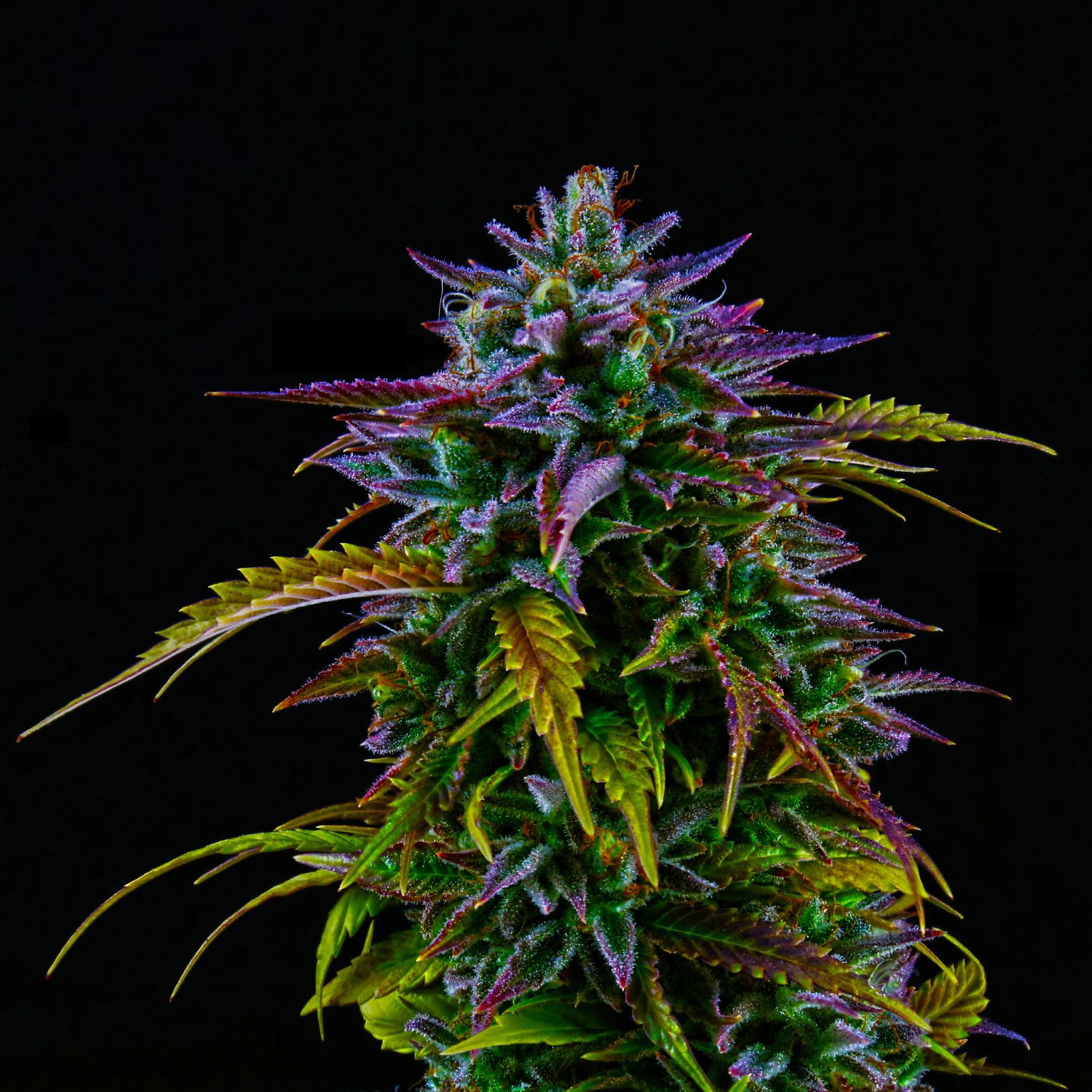
Can Telling a Flower's Origin Story Help Growers Earn More?
Nov 20, 2026
Source:
Bradley Marin
MG Magazine
For years, the number on the jar has done most of the talking in cannabis retail. THC percentage became the easy shorthand for quality, even though it says very little about where a flower came from or how it was grown. A growing conversation in cultivation asks whether provenance can fill that gap and help growers earn more for their harvests.
The idea is straightforward. A grower can share a flower's origin and growing practices to give retail buyers and shoppers more to go on than potency alone. Where the plants were grown, how they were tended and what practices stood behind the harvest all become part of the pitch. Other agricultural products already work this way, and cannabis producers are looking at whether the same approach translates.
Claims alone only go so far, though. That's where certification and protected regional names come in. Third-party verification can help substantiate what a brand says about its flower, and a protected name tied to a region gives the origin story some formal backing. Without that kind of support, provenance can look like another marketing line on a crowded shelf.
The harder question is financial. Even a well-documented origin story only matters to a grower's bottom line if shoppers act on it. Buyers at dispensaries will want to know whether the extra information moves product or supports a higher price, and consumers who have been trained to chase high THC numbers may need time to change their habits.
For growers weighing the cost of certification and storytelling, the real test is simple: does provenance turn into repeat purchases and better margins, or does it stay a nice detail that doesn't change what lands in the cart?


