


.png)
Find the BEST weed in...
Overview
King Musa, also known as Musa King, is a premium cannabis strain celebrated for its regal lineage and potent characteristics. Though information on this specific cultivar can be limited, it is highly regarded by connoisseurs for its refined qualities.
Effects
King Musa is a heavy-hitting, indica-leaning strain known for inducing an immediate sense of cerebral calm that quickly transitions into deep, full-body relaxation. Due to these potent sedative qualities, it is considered a low-energy strain ideal for evening or nighttime use. It is highly effective for managing physical and mental ailments such as chronic pain, insomnia, and high levels of stress. Its complex terpene profile is led by myrcene, which provides an earthy scent and relaxing properties; limonene, which adds citrus notes and a subtle mood lift; caryophyllene, which offers a spicy kick and physical relief; and linalool, which contributes floral undertones that enhance the strain's overall calming effects.
Relaxed
50%
Happy
50%
Euphoric
50%
Uplifted
0%
Talkative
50%
Creative
0%
Energetic
0%
Focused
50%
Giggly
0%
Tingly
0%
Hungry
0%
Sleepy
0%
Appearance
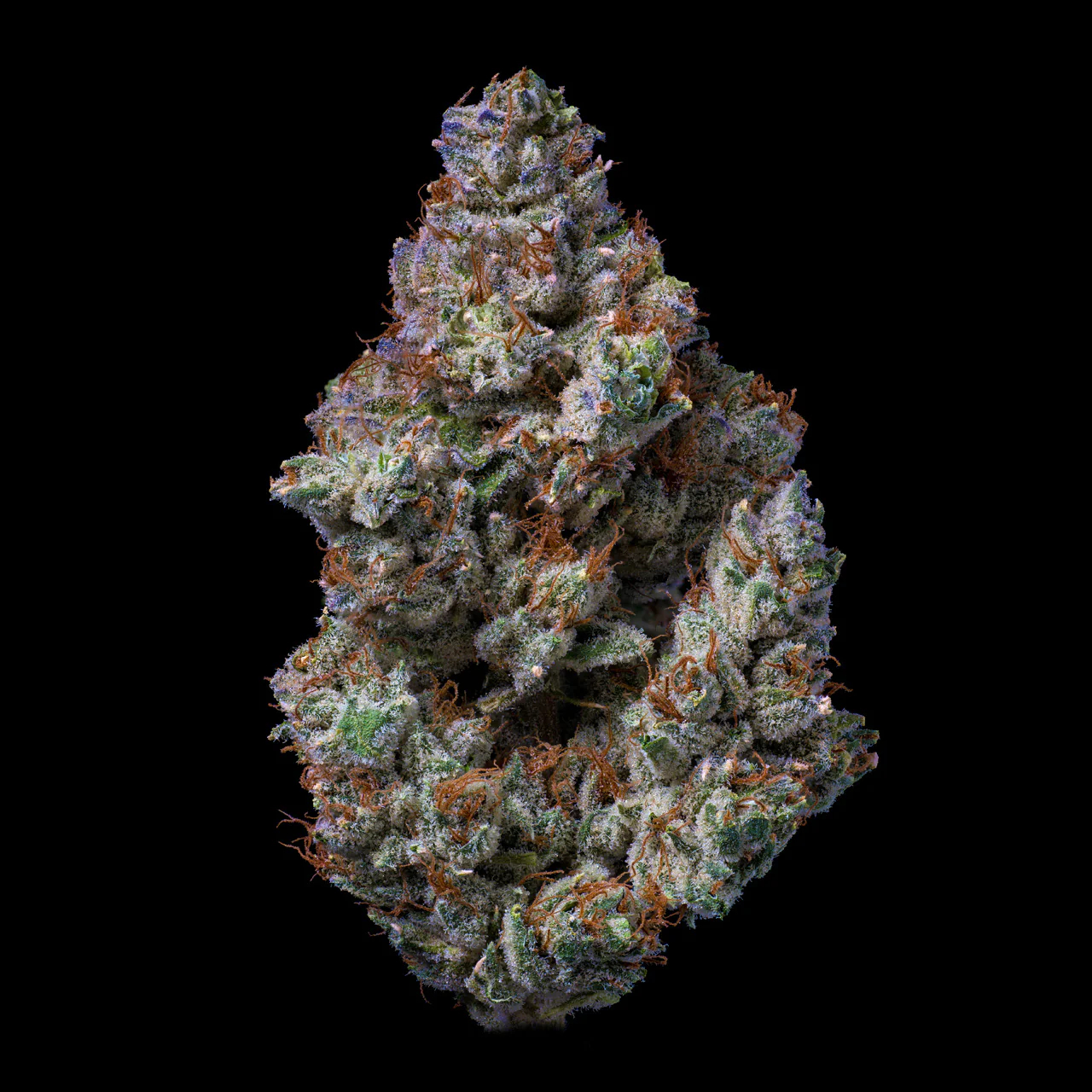
King Musa typically produces dense, chunky buds that exhibit a vibrant palette of deep forest greens and occasional flashes of royal purple. These flowers are often heavily coated in a thick layer of crystalline trichomes, giving them a frosted, shimmering look, while fiery orange pistils provide a sharp visual contrast.
Aroma
The aromatic profile of King Musa is sophisticated and pungent. It leads with a strong earthy base, often accompanied by sharp notes of diesel and spicy herbs. Subtle undertones of sweet tropical fruit and musk add complexity to its overall scent.
Flavor
On the palate, King Musa offers a rich and savory experience. The inhale is dominated by woody and herbal flavors, reminiscent of cedar and spice. The exhale often reveals a smooth, creamy finish with hints of sweet citrus and dark berries.
Lineage
King Musa is believed to be a descendant of the legendary OG Kush lineage, possibly crossed with a high-performing indica-dominant variety like Grandmaster Kush. This genetic heritage provides it with its characteristic potency and structural stability.
Terpene Profile
- Myrcene: The primary terpene, contributing to the strain’s earthy scent and relaxing properties.
- Limonene: Adds a bright citrus note and provides a subtle mood lift.
- Caryophyllene: Offers a spicy, peppery kick and may assist with physical relief.
- Linalool: Provides floral undertones and enhances the strain’s calming effects.Effects
King Musa is known for its heavy-hitting, indica-leaning effects. Users often report an immediate sense of cerebral calm that quickly transitions into a deep, full-body relaxation. It is frequently used to manage chronic pain, insomnia, and high levels of stress, making it an ideal choice for evening or nighttime use.
Cultivation Preferences
- Flowering Time: Approximately 8 to 9 weeks.
- Yield: Moderate to high, depending on environmental conditions.
- Environment: Thrives in controlled indoor environments where humidity can be strictly monitored, but also performs well in warm, dry outdoor climates.
- Difficulty: Rated as moderate; the dense buds require good airflow to prevent moisture-related issues.Origin
The strain is rooted in the West Coast breeding traditions of the United States, specifically emerging from the California or Pacific Northwest cannabis scenes, where its Kush genetics were refined for maximum potency.
Seed Suppliers
Authentic King Musa seeds or clones can occasionally be found through boutique nurseries and specialized seed banks such as Seed City or through local Californian cooperatives specializing in Kush derivatives.
Conclusion
King Musa stands out as a powerful and flavorful choice for those who appreciate the classic characteristics of a well-bred Kush. Its combination of striking visuals, complex terpene profile, and profound sedative effects makes it a staple for experienced users seeking a "king-sized" relaxation experience.