


.png)
Find the BEST weed in...
Overview
North American landrace strains are indigenous cannabis varieties that have evolved naturally within the North American continent. These plants have adapted over generations to specific local environments, resulting in a diverse range of genetic expressions that can lean toward either indica or sativa depending on the geography.
Effects
North American landrace strains offer a diverse range of effects that vary significantly by the latitude of their origin. Varieties from warmer, southern regions closer to the equator typically provide uplifting, energetic, and cerebral sativa effects, making them suitable for daytime use and high-energy activities. Conversely, varieties from more northern regions beyond 30 degrees latitude are hardier and produce more sedative, relaxing, and physically heavy indica effects. These strains are effective for managing physical ailments and promoting relaxation. Their terpene profile is characterized by myrcene, which provides earthy notes and contributes to physical relaxation; pinene, which adds a distinct scent of pine and may help with alertness; and caryophyllene, which offers a spicy kick and potential anti-inflammatory properties. Together, these elements reflect the natural terroir of the continent and provide a foundational experience for both recreational and medicinal users.
Relaxed
77%
Happy
44%
Euphoric
0%
Uplifted
44%
Talkative
0%
Creative
0%
Energetic
0%
Focused
55%
Giggly
0%
Tingly
0%
Hungry
0%
Sleepy
44%
Appearance
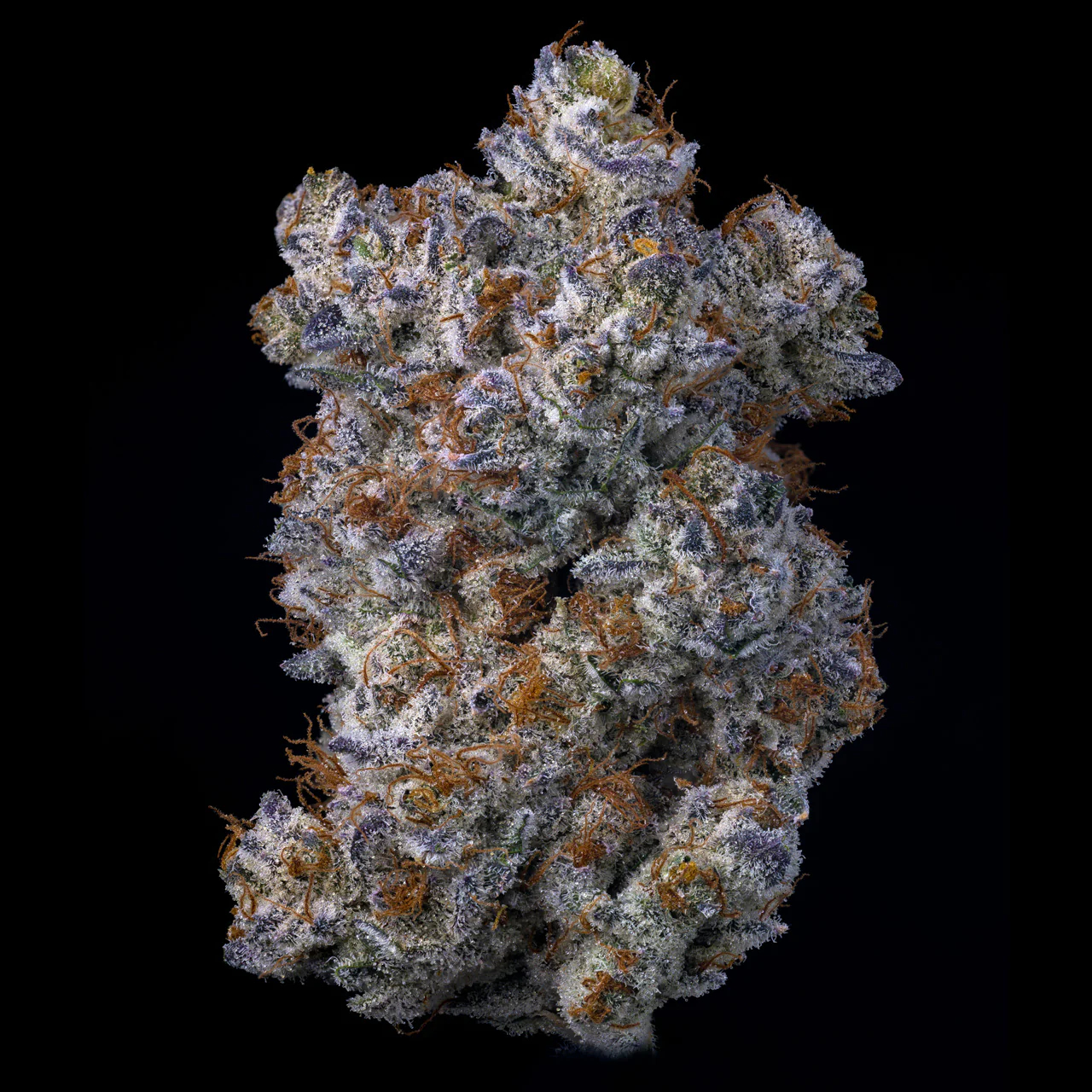
These plants typically display a rugged, natural look. Sativa-leaning varieties from southern latitudes are often tall and lanky with narrow leaves, while indica-leaning types from more northern regions are shorter, bushier, and have broader, dark green foliage to withstand cooler temperatures.
Aroma
The scent profile of North American landraces is often described as "old school," featuring deep earthy, piney, and woodsy notes. Depending on the specific microclimate, some may also exhibit subtle spicy or floral undertones.
Flavor
The taste usually mirrors the aroma, offering a robust and organic flavor profile. Users often report a combination of fresh forest pine, rich soil, and a slightly herbal or peppery finish on the exhale.
Lineage
As landraces, these strains are the foundation of modern cannabis genetics. They are "pure" varieties that have not been crossbred with other strains by humans, having instead developed through natural selection in their respective North American habitats.
Terpene Profile
- Myrcene: The most common terpene, providing earthy notes and contributing to physical relaxation.
- Pinene: Adds the distinct scent of pine needles and may help with alertness.
- Caryophyllene: Offers a spicy kick and potential anti-inflammatory properties.Effects
The effects vary significantly by latitude. Varieties from warmer, southern regions closer to the equator tend to be uplifting, energetic, and cerebral (Sativa). Varieties from regions beyond 30 degrees latitude are generally hardier and produce more sedative, relaxing, and physically heavy effects (Indica).
Cultivation Preferences
These strains are highly resilient as they have adapted to their local environments over centuries. - Climate: Sativas prefer warm, humid, Mediterranean-like climates; Indicas prefer cooler, drier temperate zones.
- Flowering Time: Varies by type, typically ranging from 7 to 12 weeks.
- Yield: Generally moderate, focusing on genetic stability and resin quality over massive commercial volume.Origin
These strains are native to various regions across North America, ranging from the humid climates of the South and Mexico to the rugged, cooler mountainous regions of the North and the Pacific Northwest.
Seed Suppliers
Authentic North American landrace genetics are often sought through specialized preservation breeders and heirloom seed banks such as Landrace Bureau, The Real Seed Company, or SnowHigh Seeds.
Conclusion
North American landraces serve as a vital link to the history of cannabis. They offer a pure, unadulterated experience that reflects the natural terroir of the continent, providing essential genetic building blocks for the hybrids enjoyed by consumers today.