


Find the BEST weed in...
Overview
Poison Fruit is a flavorful hybrid strain known for its vibrant berry profile and balanced effects. This cultivar is a favorite among those who appreciate complex, fruit-forward terpene profiles and visually striking blossoms.
Effects
Poison Fruit is a balanced hybrid strain that delivers a versatile experience, beginning with a cerebral, uplifting euphoria that enhances creativity and mood before transitioning into a soothing body relaxation. This transition provides a moderate energy level that is not overly sedating, making it suitable for any time of day. Its complex terpene profile is led by myrcene, which provides an herbal base for relaxation; limonene, which drives the citrus notes and boosts mood; caryophyllene, which adds spice and anti-inflammatory benefits; and pinene, which contributes a subtle forest-like undertone. Due to these balanced effects, Poison Fruit is often used to manage stress, minor aches, and social anxiety.
Relaxed
71%
Happy
42%
Euphoric
85%
Uplifted
0%
Talkative
0%
Creative
0%
Energetic
0%
Focused
0%
Giggly
0%
Tingly
28%
Hungry
0%
Sleepy
71%
Appearance
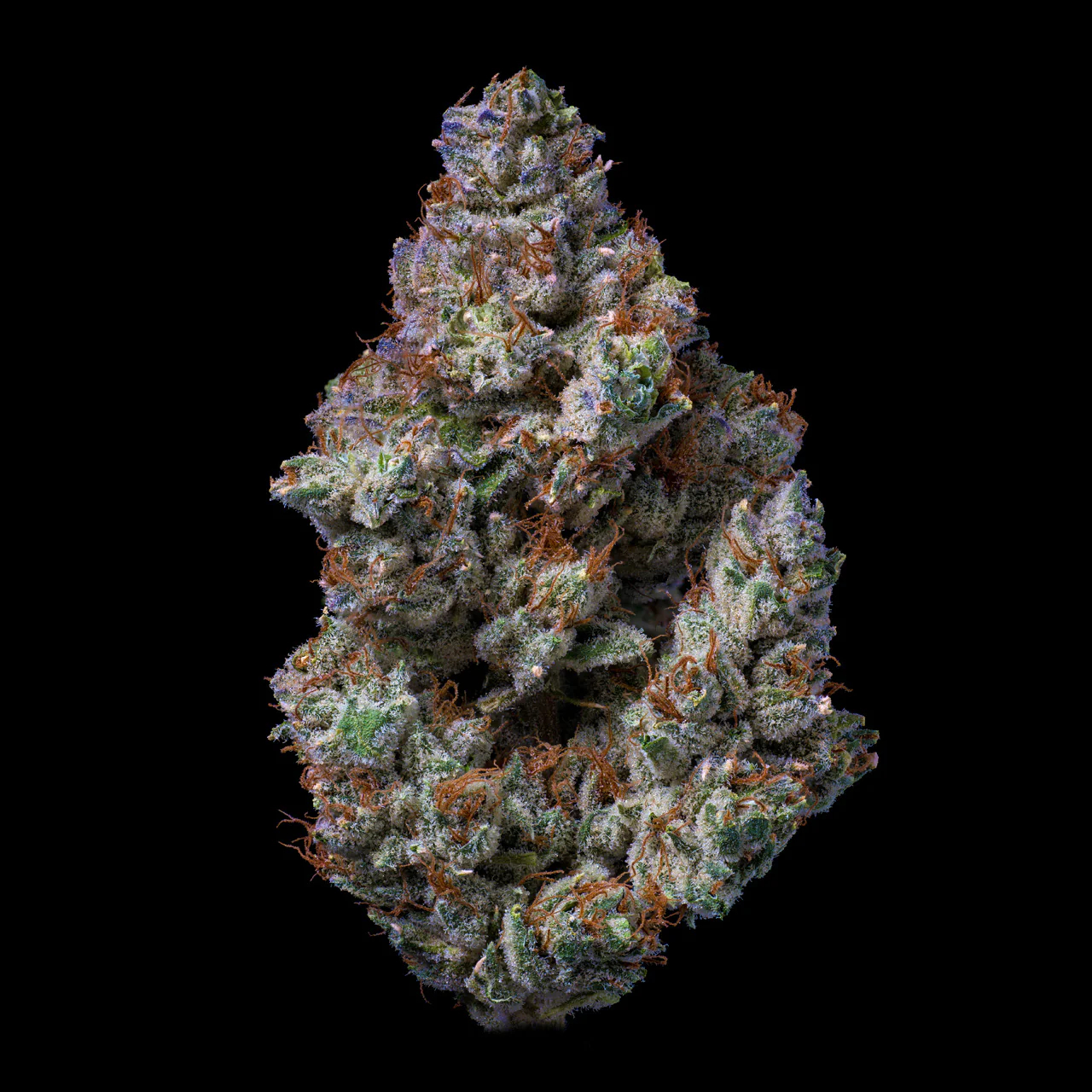
The strain produces huge, dense, and chunky buds. These forest-green nuggets are heavily dotted with bright orange pistils and coated in a shimmering layer of crystalline trichomes, giving the flower a sticky, high-shelf look.
Aroma
Poison Fruit offers a pungent and inviting bouquet. It is characterized by sharp citrus notes and sweet floral undertones, rounded out by a traditional skunky pungency that hints at its potency.
Flavor
The taste is exceptionally sweet and fruit-forward. Users can expect a dominant burst of tart orange and ripe berries on the inhale, followed by a smooth, earthy, and floral exhale that lingers on the palate.
Lineage
This strain is a genetic cross between the popular Agent Orange and the creamy Sunset Sherbert. This lineage combines the citrus-heavy traits of the former with the dessert-like qualities and structural density of the latter.
Terpene Profile
- Myrcene: Provides an herbal base and contributes to the strain's relaxing physical effects.
- Limonene: Drives the prominent citrus and orange notes while offering a mood-boosting quality.
- Caryophyllene: Adds a touch of spice and may help with anti-inflammatory benefits.
- Pinene: Contributes a subtle forest-like undertone to the skunky aroma.Effects
Poison Fruit typically delivers a balanced experience. It begins with a cerebral, uplifting euphoria that enhances creativity and mood, eventually transitioning into a soothing body relaxation that is not overly sedating. It is often used to manage stress, minor aches, and social anxiety.
Cultivation Preferences
Poison Fruit is considered a moderately easy strain to grow, suitable for both indoor and outdoor environments. - Flowering Time: Approximately 8 to 9 weeks.
- Yield: Moderate to high, especially when trained to support its large, heavy buds.
- Environment: Prefers a controlled Mediterranean climate with moderate humidity to prevent mold in its dense colas.Origin
The strain originated in the United States, emerging from the West Coast breeding scene where its parent strains, Agent Orange and Sunset Sherbert, gained their initial fame.
Seed Suppliers
Enthusiasts looking for Poison Fruit genetics can often find seeds or clones through specialty suppliers such as Subcool’s The Dank (associated with Agent Orange heritage) or various West Coast nursery networks like Dark Heart Nursery.
Conclusion
Poison Fruit is a standout choice for users who prioritize flavor and aroma. By blending the best of citrus and berry genetics, it provides a sensory-rich experience and a versatile high that is suitable for any time of day.