


.png)
Find the BEST weed in...
Overview
South Indian cannabis refers to a diverse group of indigenous landrace varieties native to the southern regions of India, particularly Kerala, Tamil Nadu, and Karnataka. These ancient strains have evolved over centuries in tropical climates and are highly regarded for their unique genetic purity and traditional significance.
Effects
South Indian cannabis strains provide a potent and soaring cerebral high characterized by intense energy and a trippy, clear-headed experience. These landraces are ideal for daytime use and creative tasks, as they lack the heavy physical sedation common in modern hybrids, though their intensity can be overwhelming for some users. Its terpene profile is led by myrcene, which provides earthy notes and promotes relaxation; caryophyllene, which adds a spicy kick and helps reduce inflammation; terpinolene, which contributes woody and floral aromas; and limonene, which provides a bright citrus edge. These combined characteristics make South Indian varieties effective for managing low energy and fostering focus, offering a pure sativa experience rooted in ancient genetic purity.
Relaxed
0%
Happy
0%
Euphoric
0%
Uplifted
0%
Talkative
0%
Creative
0%
Energetic
0%
Focused
0%
Giggly
0%
Tingly
0%
Hungry
0%
Sleepy
0%
Appearance
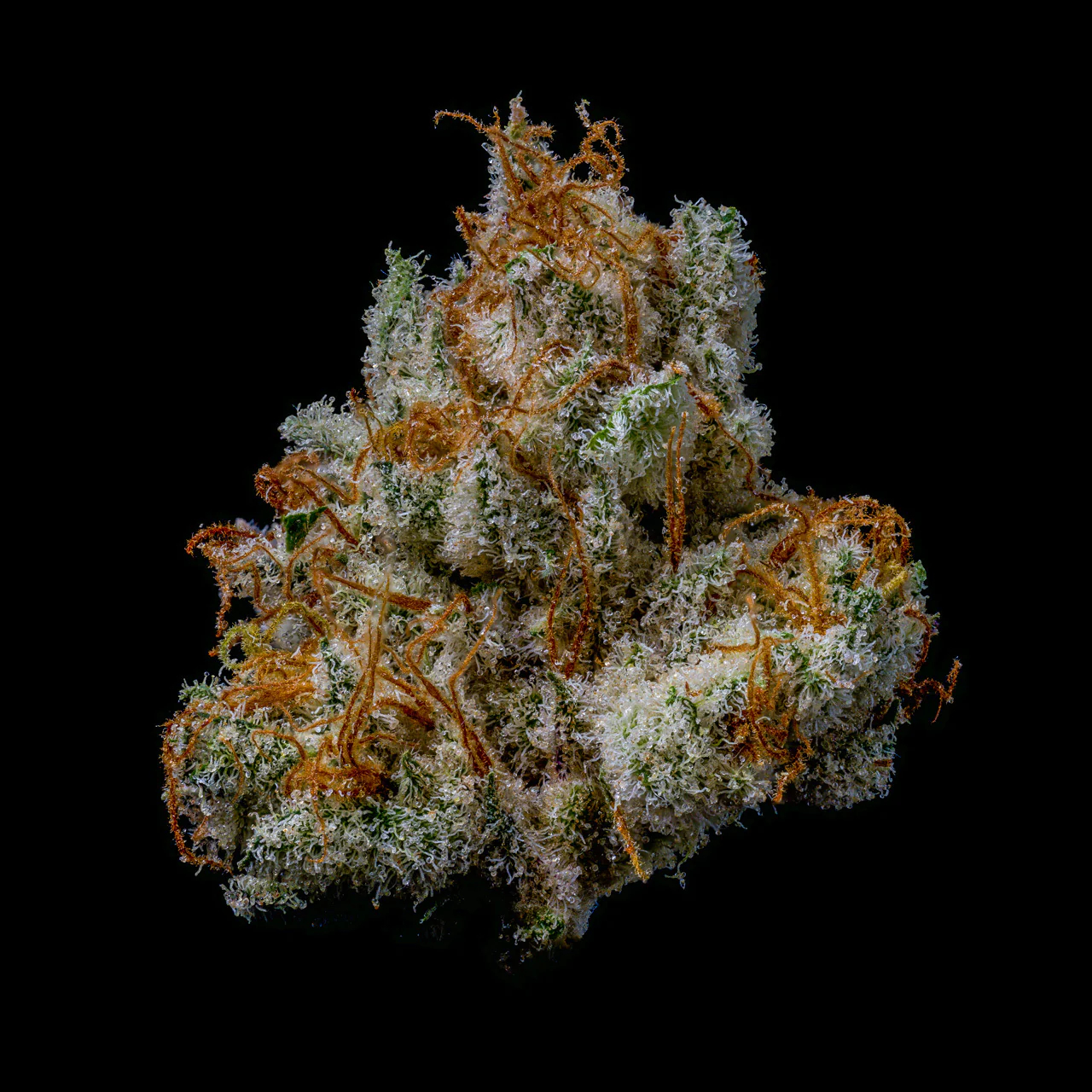
These plants typically exhibit classic sativa morphology, characterized by tall, lanky structures with significant stretching. The buds are often airy and elongated (foxtails) to prevent mold in humid environments, featuring thin, lime-green leaves and long, wispy amber or orange pistils.
Aroma
The aromatic profile is distinctly tropical and pungent. It is dominated by a sharp, spicy incense base, layered with notes of fermented fruit, damp earth, and a characteristic "jungle" musk. Some phenotypes may also express subtle floral or peppery undertones.
Flavor
On the palate, South Indian landraces offer a complex, herbal taste. Users often report a mix of spicy black pepper and sandalwood on the inhale, followed by a sour, citrusy, or tropical fruit aftertaste that lingers.
Lineage
As true landraces, these strains are not "created" through intentional cross-breeding but are wild or semi-cultivated varieties indigenous to the Indian subcontinent. They serve as the genetic foundation for many famous modern hybrids, most notably being a parent to the legendary White Widow.
Terpene Profile
- Myrcene: Provides earthy, herbal notes and contributes to relaxation.
- Caryophyllene: Adds a distinct spicy and peppery kick.
- Terpinolene: Responsible for the complex woody and floral aromas.
- Limonene: Offers a bright, citrusy citrus edge.Effects
Known for a pure "sativa" experience, these strains deliver a potent, clear-headed, and soaring cerebral high. They are highly energizing and trippy, making them suitable for creative tasks or daytime use. Unlike modern hybrids, they rarely produce heavy physical sedation, though the intensity can be overwhelming for some.
Cultivation Preferences
These varieties are challenging for indoor growers due to their massive size and extremely long flowering times. - Flowering Time: Typically 14 to 20 weeks.
- Climate: Thrives in hot, humid, tropical environments with intense sunlight.
- Maintenance: Requires significant space and height management; they are naturally resilient to local pests and mold.Origin
The strains originate from the Western and Eastern Ghats of Southern India, with the "Idukki Gold" from Kerala being perhaps the most famous regional variant.
Seed Suppliers
Authentic South Indian landrace genetics are primarily preserved and sold by specialty breeders such as The Real Seed Company, Indian Landrace Exchange, and Seedsman.
Conclusion
South Indian landraces are a connoisseur’s treasure, offering a glimpse into the raw, unadulterated history of cannabis. While their long flowering cycles and wild growth habits make them difficult for commercial production, their unique "electric" high and genetic purity make them invaluable to breeders and enthusiasts seeking an authentic sativa experience.