Menu
Washington DC
DC Dispensaries
DC Weed Reviews
DC Medical Reviews
How to Buy Weed in DC
I-71 Information
History of Legal Weed in DC
DC Medical Marijuana Guide
Virginia
Maryland
Maryland Dispensaries
Maryland Weed Reviews
Baltimore Weed Reviews
Maryland Medical Marijuana
Maryland Recreational Weed
How to Buy Weed in Maryland
Florida
Florida Medical Dispensaries
Florida Weed Reviews
Find the Best Weed in Florida


.png)
Find the BEST weed in...
Overview
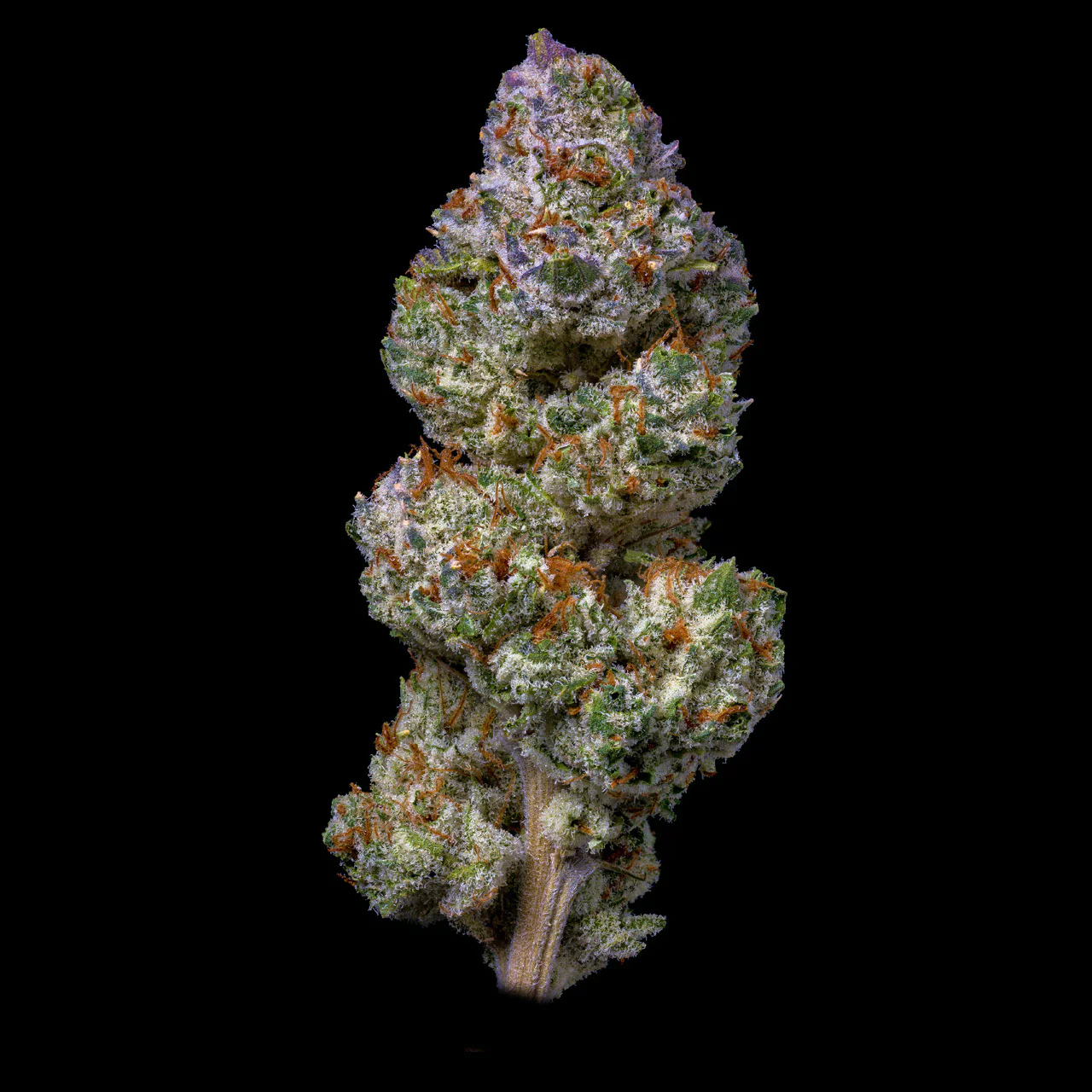
Nepalese strains refer to indigenous landrace varieties that grow naturally in the high-altitude regions of the Himalayan mountains. These unique cultivars are characterized by a sativa-like growth structure paired with the dense, resinous buds and physical effects typically associated with indica varieties.
Effects
Nepalese strains offer a highly balanced experience that begins with a cerebral, uplifting rush to enhance mood and creativity before settling into a deep, relaxing body high. This transition makes it effective for managing ailments such as stress, anxiety, and chronic pain without being completely incapacitating. The energy levels are initially stimulating and then shift toward relaxation, supported by a diverse terpene profile led by myrcene for sedation and earthy aromas, pinene for mental alertness and pine scents, limonene for mood elevation and citrus notes, and caryophyllene for its spicy undertone and anti-inflammatory benefits. Overall, these landrace varieties provide a potent combination of sativa-like mental effects and indica-like physical relief.
Relaxed
58%
Happy
69%
Euphoric
56%
Uplifted
51%
Talkative
0%
Creative
35%
Energetic
0%
Focused
0%
Giggly
0%
Tingly
0%
Hungry
0%
Sleepy
0%
Appearance
The plants generally grow tall and lanky with thin, sparse branches. Despite their spindly frames, they produce surprisingly dense and heavy buds that concentrate at the top of the plant. These flowers are often coated in a thick, sticky layer of resin, reflecting their history in hash production.
Aroma
The fragrance of native Nepalese strains is predominantly hashy and pungent. It features a deep earthy base layered with notes of spice, sweet floral scents, and occasional hints of citrus.
Flavor
The taste profile mirrors the aroma, offering a robust mix of earthy pine and sandalwood upon inhalation. The exhale often leaves a lingering spicy, hashy flavor with subtle sweet and fruity undertones.
Lineage
This is a pure landrace strain, meaning it has evolved naturally in the wild without human intervention or crossbreeding. It is the genetic foundation for many famous regional charas and temple ball hashish varieties.
Terpene Profile
- Myrcene: The most prominent terpene, responsible for the herbal, earthy aroma and sedative properties.
- Pinene: Adds a distinct pine scent and provides a sense of mental alertness.
- Limonene: Contributes a subtle citrus note and aids in mood elevation.
- Caryophyllene: Provides a spicy, peppery undertone and offers anti-inflammatory benefits.Effects
The effects of Nepalese strains are highly balanced. They typically begin with a cerebral, uplifting rush that enhances mood and creativity. This initial stimulation eventually settles into a deep, relaxing body high that can help manage stress, anxiety, and chronic pain without being completely incapacitating.
Cultivation Preferences
Because they evolved in the Himalayas, these plants are exceptionally hardy and resistant to mold and cold temperatures. They thrive in environments that mimic high-altitude climates. - Flowering Time: Usually between 9 to 12 weeks.
- Yield: Moderate to high; the plants can become quite large if given enough vertical space.
- Maintenance: Due to their tall growth habit, they may require pruning or training to manage height in indoor settings.Origin
This strain originates from Nepal, specifically the mountainous rural regions where it has been traditionally harvested for centuries to create hand-rubbed hashish.
Seed Suppliers
Authentic Nepalese landrace genetics and stabilized versions can be sourced from specialty suppliers such as The Real Seed Company, Ace Seeds, World of Seeds, and Anesia Seeds.
Conclusion
Nepalese landraces are highly valued by connoisseurs and breeders for their incredible resin production and unique genetic profile. By bridging the gap between sativa growth patterns and indica-like potency, they remain a foundational and legendary part of cannabis history.